

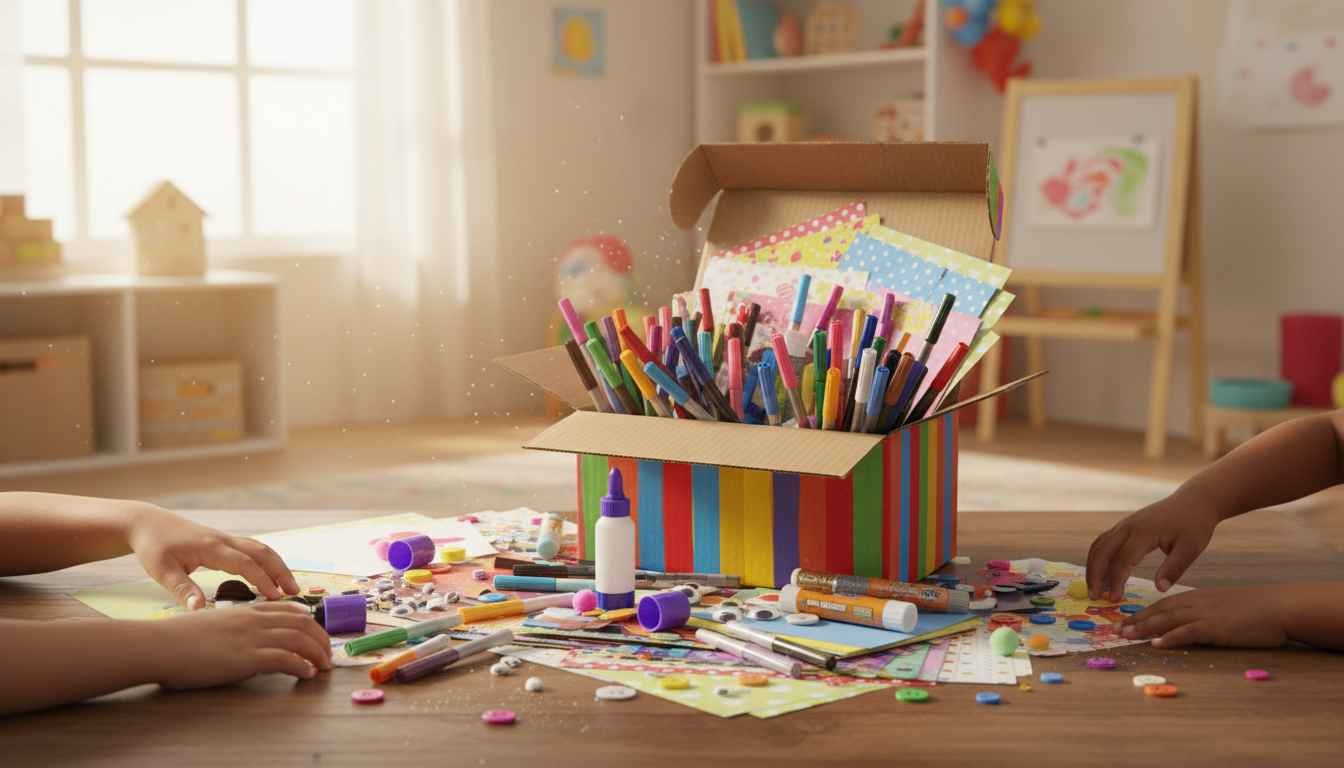




As the old proverb goes, “A journey of a thousand miles begins with a single step.” For children, that first step can often be a colorful one, dipped in glue and sprinkled with glitter. A craft box for kids is more than just a collection of materials; it is a gateway into imagination, problem-solving, and self-expression. Each item within the box serves as a tool to explore textures, colors, and shapes, offering children the freedom to create and learn simultaneously.
Walking into the world of craft boxes is like stepping into a miniature art studio, perfectly sized for small hands and big ideas. The tactile sensation of soft clay, the crisp tear of colored paper, or the sticky pull of glitter glue creates a multi-sensory experience that engages a child fully. Crafting becomes not just an activity, but a form of play that strengthens fine motor skills, hand-eye coordination, and cognitive development.
Choosing the right craft box requires consideration of age, interests, and the level of supervision available. Boxes for toddlers often include large beads, safe scissors, and washable paints. Older children may enjoy kits with more complex projects like model building, jewelry making, or science-themed crafts. Some boxes even introduce educational themes, combining creativity with learning about history, culture, or nature. For families seeking guidance on enriching activities for children, Child Care Aware® of America provides resources and insights into quality child care and developmental activities.
Exploring the Components of a Craft Box
Not all craft boxes are created equal. A well-curated box balances variety with simplicity, offering tools that spark creativity without overwhelming the child. Basic components often include colored paper, markers, crayons, paints, brushes, glue sticks, and scissors. Some boxes expand into specialized kits with beads, buttons, fabric scraps, pipe cleaners, stickers, and foam shapes. Each component invites experimentation. The bright textures and different weights of materials provide a tactile learning experience, and the satisfaction of combining them into a finished project reinforces confidence and pride in accomplishment.
Structured kits offer step-by-step instructions that guide children through a project, while open-ended boxes allow freeform creation. Open-ended boxes are particularly valuable for developing problem-solving skills. When children decide how to use materials, they learn planning, spatial reasoning, and decision-making. Structured kits, on the other hand, introduce concepts of following instructions and achieving specific outcomes, creating a balance between guided learning and independent exploration.
The Benefits of Craft Boxes for Cognitive and Emotional Growth
Crafting engages both hemispheres of the brain, stimulating creativity while encouraging logical thinking. The repetitive motions of cutting, gluing, and assembling objects strengthen neural connections and fine motor skills. This type of hands-on learning can translate into improved writing, better focus, and enhanced patience in other tasks.
Beyond cognitive development, craft boxes provide an emotional outlet. Art allows children to express feelings they may not have the words for. Colors can reflect moods, and creating something tangible gives a sense of accomplishment. According to studies in child development, children who engage in regular creative activities are more likely to exhibit increased self-esteem and resilience. The simple act of choosing a color, mixing paints, or designing a pattern can be a meditative, confidence-building experience.
Practical Tips for Maximizing the Craft Box Experience
To make the most of a craft box, consider designating a specific area for crafting that is safe and easy to clean. Encourage children to plan their projects and think about the sequence of steps. Praise their efforts rather than the end product to reinforce the joy of creation rather than perfection. Rotating craft boxes periodically can maintain interest, ensuring children remain engaged without becoming bored with the same materials.
Parental or caregiver involvement enhances the experience. Working alongside a child fosters communication, shared creativity, and collaborative problem-solving. Even brief periods of observation can provide insight into a child’s thought process and preferences, helping caregivers select future projects that match developmental needs.
Potential Drawbacks and Who Should Avoid This
While craft boxes are largely beneficial, there are certain considerations to keep in mind. Small parts pose a choking hazard for very young children, so age-appropriate selections are essential. Children with severe sensory sensitivities may find textures, scents, or sticky materials overwhelming. Some kits can be costly, and the investment may not suit every family budget. Additionally, overly complex kits without guidance can lead to frustration rather than enjoyment, particularly for children who are just beginning to develop fine motor skills.
Choosing the Right Craft Box
Selection criteria should focus on age-appropriateness, safety, and interests. Look for non-toxic, washable supplies and avoid materials with strong odors or allergens. Reading reviews or seeking recommendations from child care experts can help identify high-quality options. Boxes that promote a balance between structured guidance and open-ended play tend to provide the most developmental benefits. Consider themes that resonate with the child’s interests, whether it’s animals, space, art, or science, to ensure sustained engagement.
Experiencing the Joy of Crafting Firsthand
Unpacking a craft box for the first time can feel like opening a treasure chest. The colors, textures, and potential of each item invite exploration. Rolling out clay or spreading paint onto paper engages the senses and provides immediate feedback on the child’s creativity. The tactile experience is both calming and invigorating, creating a mindful environment where children focus entirely on the present task. For parents, witnessing a child’s pride in their creation can be a deeply rewarding experience.
Long-term engagement with craft boxes fosters independence and ingenuity. Children learn to troubleshoot when glue doesn’t stick or beads fall, developing problem-solving skills. They experiment with color mixing, texture combinations, and structural design, all of which contribute to spatial intelligence and artistic sensibility. Each completed project becomes a tangible milestone in their developmental journey.
Integrating Craft Boxes into Daily Life
Crafting doesn’t have to be a weekend-only activity. Short, daily sessions can make creativity a routine part of life. Even ten minutes of focused crafting can improve concentration and mood. Using craft boxes as a supplementary activity for educational lessons can reinforce concepts in a playful manner. For instance, building a model volcano can enhance science learning, while making a handmade card teaches planning, sequencing, and emotional expression.
Community-based activities, such as group crafting sessions or school programs, also amplify the benefits. Social interaction during crafting develops communication skills, patience, and empathy. Children learn to share materials, negotiate space, and collaborate creatively, further extending the developmental advantages of craft boxes beyond the home environment.
Final Thoughts on Craft Boxes for Kids
Investing in a craft box for kids is more than a purchase; it is an investment in development, creativity, and joyful learning. By carefully selecting age-appropriate materials and providing a nurturing environment, children gain far more than just fun – they develop skills that last a lifetime. Whether exploring textures, mastering new techniques, or simply enjoying the sensory pleasure of color and shape, craft boxes provide a rich, multifaceted experience. The joy of watching a child’s imagination come alive, project by project, is an invaluable reward for any caregiver or parent.

