

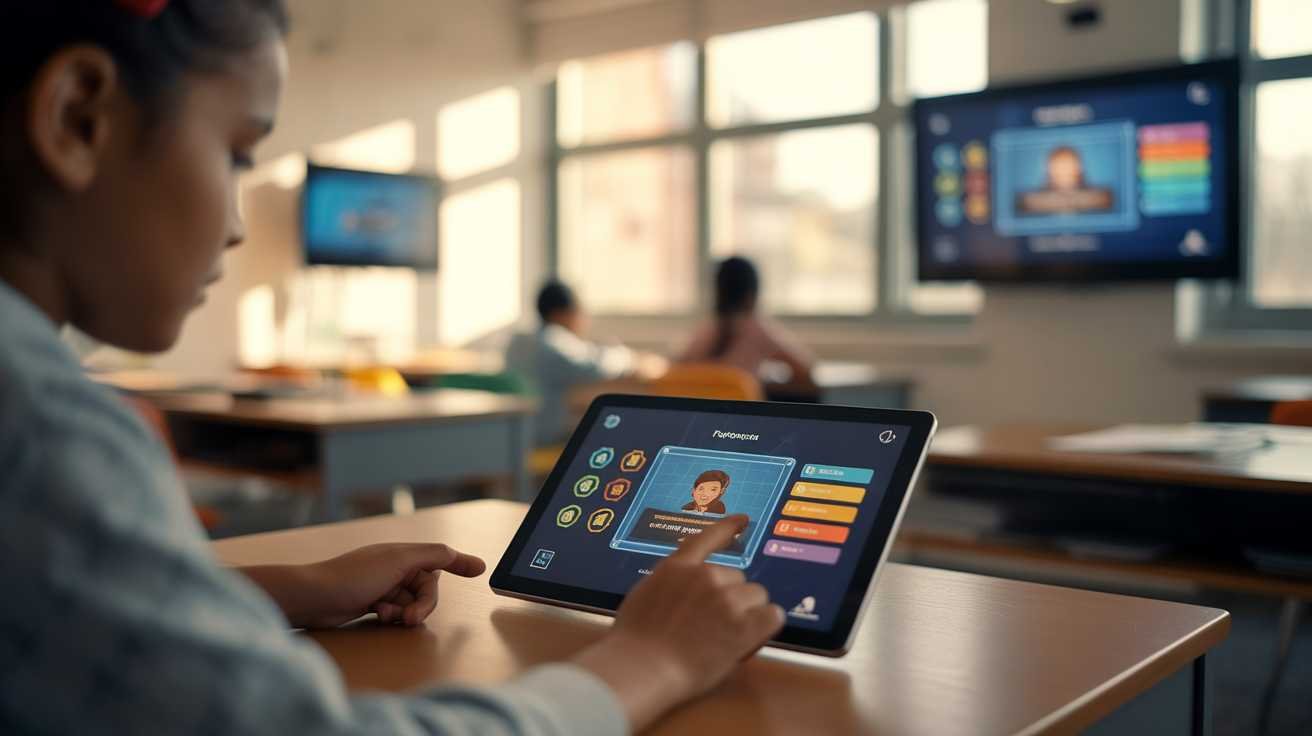




The Urgent Shift Toward Gamified Learning Experiences
Education is changing faster than ever before, and those who fail to adapt risk being left behind in a digital dust storm of innovation. Across the globe, learners are no longer content with passive online lectures and endless slideshows – they crave engagement, interaction, and the thrill of competition. This is where gamification enters as the ultimate game-changer. Institutions like the Truman Education Center are proving that adding game elements to hybrid and online learning environments can radically transform motivation, participation, and retention rates. The time to act is now; schools, corporations, and educators who hesitate risk losing their learners to platforms that make learning not just informative but irresistibly fun.
Imagine logging into a course and being greeted not by dull lists of modules but by vibrant leaderboards, shimmering badges of achievement, and the pulsing energy of real-time challenges. Every task completed earns visible rewards, every milestone achieved unlocks a new level. At the Truman Education Center, learners describe the experience as “addictive in the best possible way.” They speak of late-night logins not out of obligation but out of excitement – because learning feels alive. This transformation doesn’t just boost engagement; it rewires the way the human brain approaches knowledge. As dopamine sparks through each success, motivation turns from fleeting to enduring. Those who seize this approach today will dominate the educational future; those who wait will scramble to catch up tomorrow.
Understanding Gamification in a Digital Education Context
At its core, gamification is not about turning learning into a game – it’s about applying the mechanics that make games so engaging to non-game environments. In the hybrid and online classrooms of the Truman Education Center, this means integrating clear objectives, instant feedback, progress tracking, and a sense of achievement that taps into the human drive for mastery. The fusion of psychological triggers with educational content creates a rhythm that keeps learners moving forward, even when the material grows complex. The digital environment provides limitless potential for adaptive learning paths, where challenges adjust in real-time to each learner’s pace and performance.
Picture a virtual economics course where students compete in a simulated marketplace, buying and selling assets with digital currency that mirrors real-world volatility. Or a history class where learners unlock secret archives by completing quests based on primary sources. These are not fantasies; they are realities at the Truman Education Center. The integration of points, badges, and narrative-based missions gives abstract knowledge tangible value. The traditional static classroom fades into memory, replaced by a dynamic ecosystem where students feel like active participants in their own education. The data shows measurable outcomes: higher retention, increased completion rates, and exponentially stronger emotional engagement. The longer institutions delay adopting gamification, the more learners drift toward platforms that understand how to make education come alive.
The Psychology Behind Gamified Motivation
What makes gamification so powerfully effective lies in its ability to harness the psychological levers of motivation. Humans are wired for progress and recognition. Every time we earn a badge or level up, our brains release dopamine – a chemical associated with pleasure and reward. The Truman Education Center leverages this natural mechanism through layered reward systems, ensuring that every learner experiences a steady flow of positive reinforcement. The result is profound: a learning experience that feels personal, satisfying, and, most importantly, continuous.
In hybrid and online learning, where the sense of community can easily fade, gamification reintroduces connection and purpose. Leaderboards create a sense of friendly rivalry, while achievement pathways turn abstract academic goals into visible milestones. A student who might once have dreaded a math problem set now races to complete it first, driven by the desire to earn a “Mathematical Mastermind” badge before their peers. It’s not manipulation – it’s motivation, refined through behavioral science and designed for positive educational outcomes. The Truman Education Center applies this approach with ethical transparency, ensuring rewards align with meaningful learning, not mere digital distraction. Institutions that grasp this balance now are positioning themselves at the forefront of a movement that will redefine how generations learn and thrive.
Implementing Gamification in Hybrid Classrooms
Hybrid classrooms present unique challenges – balancing in-person and digital participation, maintaining engagement across physical and virtual spaces, and ensuring equitable experiences for all learners. The Truman Education Center demonstrates that gamification can serve as the connective tissue binding these environments together. By introducing game-based goals and rewards accessible both online and offline, the sense of community remains intact regardless of where students participate. When a student earns a badge in a live class discussion, it instantly reflects in their online dashboard. When another completes a virtual challenge, it’s celebrated in the next in-person session. This seamless continuity amplifies motivation and ensures that learning feels integrated rather than fragmented.
Educators are empowered through analytics that track engagement in real-time. They can identify students who might be slipping behind and re-engage them with personalized missions or surprise challenges. Visual storytelling becomes a pedagogical tool, turning dry material into immersive narratives. Hybrid learners at the Truman Education Center report feeling “seen” and “valued,” even in large classes – an outcome rarely achieved through traditional methods. The message is clear: hybrid education without gamification risks fading into monotony, while gamified hybrid environments pulse with excitement, competition, and community.
Designing Effective Online Learning Challenges
Designing a gamified online learning experience is not as simple as adding points or badges – it requires strategy, creativity, and empathy. The Truman Education Center has perfected the art of challenge design through a process rooted in user experience and cognitive psychology. Each challenge must strike the delicate balance between difficulty and attainability. Too easy, and learners disengage; too hard, and they give up. The sweet spot lies in the “flow zone,” where each task feels just challenging enough to ignite focus and curiosity. Visual cues, progress meters, and instant feedback loops maintain that balance, creating a rhythm that draws learners forward like a story unfolding chapter by chapter.
For example, a cybersecurity course might feature a digital escape room where students solve encryption puzzles to stop a simulated cyberattack. A business ethics class might use a branching narrative where choices lead to different moral outcomes, testing reasoning and empathy simultaneously. The Truman Education Center integrates real-world data, licensed simulations, and verified digital badges that translate into career credibility. These aren’t superficial rewards – they’re currency in the evolving digital credentials economy. Students who complete gamified modules can showcase verified accomplishments on LinkedIn or professional portfolios. Institutions that ignore this trend are missing the most potent bridge between education and employability.
The Power of Data and Analytics in Gamification
Gamification without data is like sailing without a compass. The Truman Education Center leverages analytics not only to track performance but to continuously refine the learning experience. Every click, badge, and interaction feeds into a system that analyzes engagement patterns and learning outcomes. Educators gain deep insights into what excites their students, what confuses them, and where intervention is most effective. This level of responsiveness transforms education from static to adaptive, from assumption-based to evidence-driven. Data visualization dashboards make these insights accessible and actionable, allowing administrators to align gamified learning with institutional goals.
From a student’s perspective, this means a deeply personalized journey. Algorithms can suggest new challenges based on skill level, automatically unlocking resources that address weaknesses or amplify strengths. When combined with AI-driven recommendations, gamification becomes a living ecosystem that evolves with the learner. The Truman Education Center exemplifies this next generation of learning – secure, data-verified, and transparent. Privacy and ethics remain paramount; every analytic tool complies with data protection standards and ensures user consent. The takeaway is urgent: institutions that harness gamification analytics today will own the future of digital education tomorrow.
Building Community Through Gamified Collaboration
One of the most overlooked yet powerful aspects of gamification is its ability to build authentic learning communities. The Truman Education Center understands that learning is not a solitary endeavor – it’s a shared journey. Through team-based missions, cooperative challenges, and peer-to-peer feedback systems, students form bonds that mirror those of competitive gaming guilds. This sense of belonging keeps learners coming back, eager to contribute, collaborate, and celebrate each other’s successes. In hybrid settings, online leaderboards and group quests ensure that remote learners remain connected to their on-campus peers, erasing the physical barriers that once divided classrooms.
The social dimension of gamified learning is what gives it longevity. Students who feel part of a thriving, supportive community are far less likely to disengage or drop out. At the Truman Education Center, online forums pulse with energy as learners share tips, strategies, and encouragement. The system’s verified payouts and digital achievements lend a sense of real-world value, while responsive customer support ensures that technical issues never interrupt the flow of motivation. This ecosystem mirrors the dynamics of modern online gaming communities – vibrant, competitive, and alive. For institutions aiming to attract and retain modern learners, building such gamified communities isn’t optional; it’s essential.
Ensuring Ethical, Inclusive, and Secure Gamification
In the rush to gamify, some institutions risk overlooking ethics, inclusivity, and data security. The Truman Education Center stands as a benchmark for responsible innovation. Every element of its gamified ecosystem is built with equity in mind – ensuring that rewards are accessible to all learners regardless of background, ability, or learning style. Inclusivity means more than adding diversity-friendly avatars; it means designing challenges that honor multiple intelligences and cultural contexts. Accessibility features like screen reader compatibility, adaptive color contrasts, and multilingual support are non-negotiable components of ethical gamification.
Security is another cornerstone. As learners earn verified badges and digital credentials, robust encryption and licensing protocols ensure authenticity. The Truman Education Center employs industry-standard verification tools that prevent fraud and guarantee the legitimacy of each accomplishment. Customer service teams respond rapidly to queries, maintaining trust and transparency. Institutions that adopt similar frameworks not only enhance learning outcomes but safeguard their reputations. In a world increasingly concerned about data privacy and misinformation, ethical gamification becomes a beacon of trust. The message could not be clearer: the time to integrate secure, inclusive, and ethical gamification is now – before learners demand it elsewhere.
Future-Proofing Education with Gamification Innovation
The educational landscape of the next decade will not be shaped by passive consumption but by active, gamified participation. The Truman Education Center is already there, merging AI, augmented reality, and gamification into one immersive learning continuum. Picture learners walking through digital twins of historical cities, completing quests that blend factual research with sensory-rich simulation. Imagine corporate trainees mastering leadership skills in VR-based team missions that mirror real-world crises. These are not prototypes – they are unfolding today. The longer institutions delay adopting such innovations, the harder it will be to catch up.
Gamification is more than a trend; it’s the blueprint of education’s future. The institutions that invest now will not only capture learners’ attention but also secure their loyalty. The Truman Education Center invites educators, corporate trainers, and institutions to act – today. Explore Truman Education Center to experience firsthand how gamification is revolutionizing hybrid and online learning. The call to action is clear: embrace the power of gamification or risk fading into educational obscurity. The next generation of learners is already playing – will you join the game, or watch from the sidelines?
If you want to enhance your learning experience, explore how Meta Title can serve as a powerful tool in gamified platforms that promote long-term knowledge retention.
To learn more about how gamification strategies like leaderboards and badges can enhance learning experiences, consider exploring the insights shared in arnab goswami education.
In today’s educational landscape, engaging students effectively is more crucial than ever. This article explores key gamification elements, such as leaderboards, points, and badges, and their significant impact on student motivation, as outlined in the Meta Title.

