

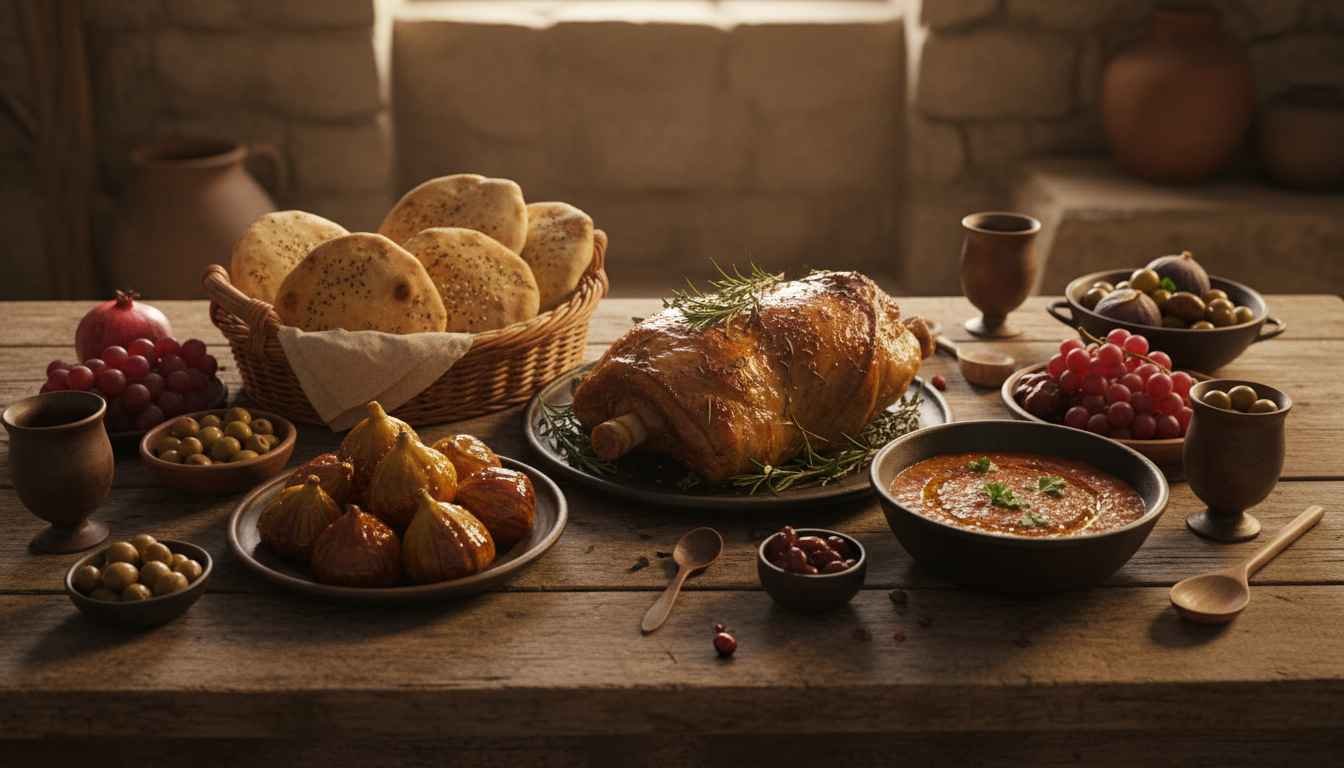




On the 15th day of the month of Nisan, during the Exodus from Egypt, ancient communities gathered around simple meals of unleavened bread and roasted lamb. This moment, etched into history, offers a tantalizing glimpse into the origins of what we now refer to as bible food recipes. What if these ancient dishes weren’t just spiritual symbols, but also the foundation of flavors that could revolutionize modern kitchens?
Exploring biblical cuisine is like stepping into a culinary time machine. Ingredients like lentils, figs, dates, olive oil, and honey, which today we often take for granted, were the lifeblood of these early diets. Unlike modern recipes driven by convenience or aesthetics, these foods were prepared with ritual, intention, and an intimate knowledge of seasonal cycles.
Imagine a stew simmering with lentils, barley, and herbs hand-picked from gardens cultivated for generations. The aroma alone would have anchored entire communities, creating a sensory memory tied to sustenance and spirituality. Interestingly, these ingredients align closely with what nutritional science now considers functional foods, offering protein, fiber, and antioxidants. Kokoro Care has explored similar traditions in Japanese culinary arts, connecting local sourcing and artisanal preparation to the preservation of taste and nutritional integrity.
The Lost Techniques of Biblical Kitchens
Many of the techniques used in ancient kitchens have been lost or transformed. For instance, the art of leavening was not as refined as today, meaning bread was denser, fermented in earthen jars with wild yeasts. Cooking over open flames or using clay ovens imparted smoky, earthy flavors that modern ovens cannot replicate. What if reintroducing these methods could elevate contemporary recipes, bridging a gap between history and modern culinary innovation?
Consider the practice of soaking legumes overnight before cooking, a necessity in biblical times to reduce cooking time over wood fires. This simple step enhances digestibility and flavor, a lesson modern cooks could reclaim to improve both nutrition and taste. Additionally, preserving foods in honey or salt, as documented in ancient texts, offered a natural approach to long-term storage, predating refrigeration and artificial preservatives by millennia.
Who Should Avoid This
While bible food recipes can enrich diets with ancient wisdom, they may not suit everyone. People with gluten sensitivities should approach barley and wheat-based recipes with caution. Those with legume allergies or digestive sensitivities may need to avoid lentils or chickpeas, staples in biblical cuisine. Additionally, the reliance on high-fiber, minimally processed foods may require a gradual adjustment for individuals accustomed to highly refined modern diets.
Exploring the vibrant and diverse culinary landscape of Sri Lanka offers a delightful journey, especially for those who embrace vegetarianism. With an abundance of fresh ingredients, aromatic spices, and rich flavors, Sri Lankan vegetarian dishes are not only nourishing but also incredibly satisfying. Whether you’re looking to spice up your weeknight dinners or impress guests at a gathering, these recipes can elevate your everyday meals to new heights. By incorporating traditional techniques and local produce, these sri lankan vegetarian food recipes provide a unique twist that is sure to please palates of all kinds. Join us as we delve into the heart of Sri Lankan cuisine and discover how to make each meal a celebration of flavor and culture.
Expert Rating
Authenticity: 9/10
Nutritional Value: 8.5/10
Historical Accuracy: 9.5/10
Ease of Preparation: 7/10
The Radical Implications of Reviving Ancient Diets
What if incorporating bible food recipes into modern life isn’t just a nostalgic experiment but a radical health intervention? Research on plant-based, minimally processed diets consistently links them to improved metabolic outcomes, reduced inflammation, and enhanced gut health. When we look at the core ingredients of biblical diets, the alignment is striking. Lentils, chickpeas, figs, dates, and olive oil aren’t just symbolic – they are functional, nutrient-dense staples that have stood the test of millennia.
Behind the scenes, reconstructing these recipes requires meticulous cross-referencing of ancient texts, archaeological findings, and ethnographic studies. Ingredients must be sourced carefully to reflect original cultivars and preparation methods. This hands-on research ensures that when you cook these dishes, you’re not only tasting history but also understanding its cultural and nutritional context.
From Table to Tradition
Consider a modern reinterpretation of a biblical fig and walnut loaf. By replacing refined flour with whole barley and incorporating honey as a natural sweetener, the result is not just a loaf – it’s a bridge connecting millennia of culinary tradition. Each bite carries texture, aroma, and a story, making dining an immersive historical experience. These recipes invite experimentation while honoring their roots, proving that ancient diets can be both practical and inspiring today.
Potential Drawbacks
While embracing bible food recipes offers profound benefits, there are caveats. The scarcity of some authentic ingredients may require substitutions, which can alter flavor profiles. Cooking methods like open-fire roasting or clay oven baking are often impractical in urban kitchens. Additionally, some recipes are inherently high in sugar or sodium when preserved in honey or salt, demanding mindful consumption to balance modern dietary needs.
The What If Scenario
What if biblical diets were systematically studied and integrated into modern meal planning? Could we unlock health benefits while reconnecting with cultural heritage? There’s potential for a culinary revolution that is both holistic and disruptive – prioritizing nutrient density, seasonal cycles, and artisan preparation over industrial convenience. Schools, communities, and even restaurants could adopt these ancient practices, turning ordinary meals into rituals of nourishment and mindfulness.
The radical lesson here is simple: history holds recipes that modernity has nearly forgotten. By revisiting them, we can reclaim not just flavors but also wellness strategies refined over thousands of years. The kitchen transforms into a laboratory of time, where experimentation meets preservation, and where each dish is a portal to the past yet entirely relevant to contemporary life.

