

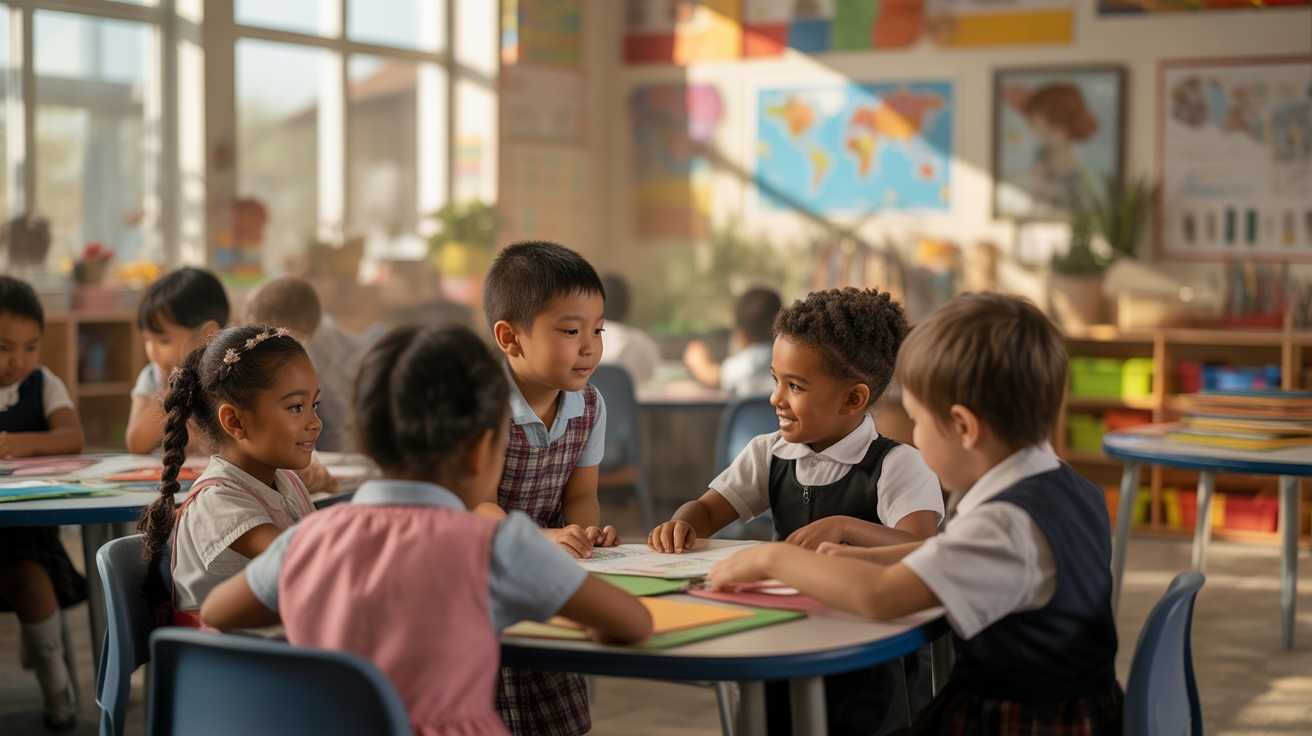




Imagine a classroom where every child’s heritage is celebrated, where learning feels like a journey through the world’s rich tapestry of cultures. This isn’t a distant dream – it’s a reality waiting to unfold in your school. Building inclusive classrooms that honor cultural diversity isn’t just a trend; it’s a necessity. It’s about creating environments where every student feels seen, heard, and valued. And the urgency? It’s now. The world is rapidly changing, and our classrooms must evolve to reflect that.
But how do we transform traditional classrooms into inclusive havens? The answer lies in intentional actions, thoughtful strategies, and a commitment to embracing diversity. It’s about more than just acknowledging differences; it’s about weaving them into the very fabric of the learning experience. And here’s the kicker: this transformation isn’t just beneficial – it’s essential for fostering empathy, understanding, and global citizenship among students.
So, how can educators embark on this transformative journey? Let’s explore practical, actionable steps to build classrooms that not only respect but celebrate cultural diversity.
1. Understanding the Importance of Cultural Diversity in Education
Cultural diversity in education isn’t just about having students from different backgrounds; it’s about recognizing and valuing the unique perspectives each student brings. Acknowledging cultural diversity enriches the learning environment, fostering a sense of belonging and respect among students. It encourages critical thinking, empathy, and a broader understanding of the world. Moreover, inclusive classrooms have been shown to improve academic performance and social cohesion, as students learn to collaborate and appreciate differences.
Incorporating cultural diversity into the curriculum allows students to see themselves reflected in their learning materials, boosting their confidence and engagement. It also prepares them for a globalized world, equipping them with the skills and mindset needed to navigate and thrive in diverse environments. The benefits are clear: a culturally inclusive classroom is a dynamic, enriching space where every student has the opportunity to succeed and feel valued.
2. Creating an Inclusive Curriculum That Reflects Diverse Perspectives
One of the most powerful ways to promote cultural diversity is through the curriculum. Traditional textbooks often present a narrow view of history and culture, sidelining the contributions and experiences of marginalized groups. To build an inclusive classroom, educators must actively seek out and integrate materials that reflect a wide range of cultures, histories, and perspectives.
This means selecting literature, historical accounts, and scientific contributions from diverse cultures. It involves highlighting the achievements and challenges of various communities, ensuring that students see a multifaceted view of the world. An inclusive curriculum doesn’t just add diversity; it reimagines education as a global tapestry of interconnected stories and ideas.
3. Implementing Culturally Responsive Teaching Practices
Culturally responsive teaching goes beyond content – it’s about how educators engage with students. It involves recognizing the cultural backgrounds of students and adapting teaching methods to make learning more relevant and effective. This approach values students’ cultural references in all aspects of learning, from classroom interactions to assessment methods.
Strategies include using culturally relevant examples, encouraging students to share their cultural experiences, and creating a classroom environment that reflects diverse cultures. It’s also about building strong relationships with students, showing genuine interest in their backgrounds, and fostering an atmosphere of mutual respect. Culturally responsive teaching empowers students by validating their identities and making learning more meaningful.
4. Fostering an Environment of Respect and Belonging
Creating an inclusive classroom isn’t just about what happens during lessons; it’s about cultivating a culture of respect and belonging. This involves setting clear expectations for behavior, promoting open communication, and addressing issues of bias and discrimination promptly and effectively.
Classroom activities should encourage collaboration and mutual respect, allowing students to learn from each other’s experiences and perspectives. Celebrating cultural holidays, traditions, and events provides opportunities for students to share their heritage and learn about others. It’s also important to establish support systems for students who may feel marginalized, ensuring they have the resources and encouragement needed to thrive.
5. Engaging Families and Communities in the Educational Process
Education doesn’t happen in isolation – it involves families and communities. Engaging families in the educational process is crucial for building an inclusive classroom. This means creating avenues for families to participate in school activities, share their cultural traditions, and collaborate with educators to support student learning.
Schools can host cultural nights, invite family members to speak about their heritage, and provide resources in multiple languages to ensure all families have access to information. Building strong partnerships with families fosters a sense of community and reinforces the importance of cultural diversity in education. When families are actively involved, students feel supported and valued, both at school and at home.
6. Utilizing Educational Family Trips to Enhance Cultural Understanding
Educational family trips offer unique opportunities to immerse students in diverse cultural experiences outside the classroom. These trips allow students to explore museums, historical sites, and cultural festivals, providing hands-on learning experiences that deepen their understanding of different cultures.
Such trips also promote family engagement in the educational process, as families participate in the learning journey together. They encourage curiosity, broaden perspectives, and create lasting memories that reinforce the lessons learned in school. Incorporating educational family trips into the curriculum enriches the learning experience and strengthens the connection between school, family, and community.
7. Addressing Challenges and Overcoming Barriers to Inclusion
Building an inclusive classroom comes with its challenges. These may include limited resources, resistance to change, or lack of training among educators. Overcoming these barriers requires a commitment to professional development, collaboration, and advocacy.
Educators should seek out training on cultural competency, inclusive teaching strategies, and anti-bias education. Collaborating with colleagues, administrators, and community organizations can provide additional support and resources. Advocating for policies that promote diversity and inclusion ensures that these efforts are sustained and effective. Overcoming challenges is part of the journey toward creating classrooms where every student feels valued and included.
8. Measuring the Impact of Inclusive Practices
To ensure that inclusive practices are effective, it’s important to assess their impact. This can be done through surveys, feedback from students and families, and analyzing academic performance and social interactions.
Regular assessment helps identify areas for improvement and celebrate successes. It also demonstrates a commitment to continuous growth and responsiveness to the needs of students. By measuring the impact of inclusive practices, educators can make data-informed decisions that enhance the learning experience for all students.
Building inclusive classrooms that respect cultural diversity is not a one-time effort – it’s an ongoing process of learning, adapting, and growing. It’s about creating environments where every student feels seen, heard, and valued. The urgency to act is now. The world is diverse, and our classrooms should reflect that diversity. By embracing inclusive practices, educators can foster a generation of students who are empathetic, open-minded, and prepared to thrive in a global society.
In today’s rapidly changing educational landscape, teachers often face unprecedented challenges that can impact their well-being and effectiveness. To support educators in navigating these difficulties, it’s essential to explore strategies for resilience, including resources available through various education trust careers that focus on personal and professional growth.
In today’s rapidly evolving educational landscape, teachers are constantly seeking ways to enhance their skills and improve student outcomes. Engaging in collaborative professional development opportunities not only fosters a sense of community among educators but also helps them stay updated with innovative resources, such as an educational robot toy that can transform classroom learning experiences.

