

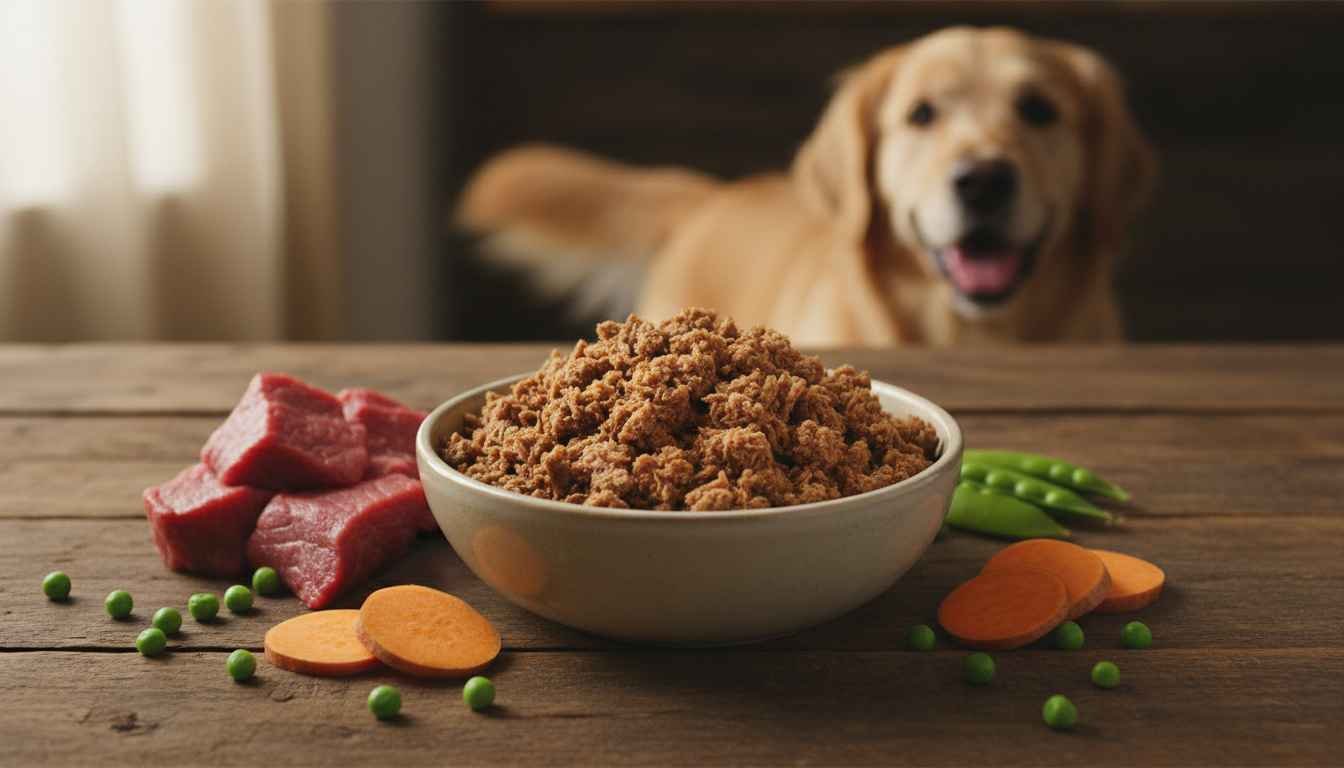




I have a confession. I used to scroll past the dog food aisle without a second thought, tossing kibble into the cart like it was all the same. But when my Labrador, Max, started showing signs of food sensitivities – itchy skin, irregular stools, and low energy – I knew it was time to take a closer look. That’s when limited ingredient bison dog food caught my attention.
Limited ingredient diets (LIDs) are designed to reduce the number of components in your dog’s food, simplifying digestion and minimizing allergic reactions. But not all LIDs are created equal, especially when it comes to bison, a lean, nutrient-rich protein that’s gaining popularity among pet nutritionists.
Quick Definitions
Limited Ingredient Diet (LID): A pet food formula with a minimal number of ingredients to reduce allergen exposure.
Bison Protein: A lean red meat alternative packed with amino acids, iron, and omega fatty acids beneficial for dogs.
Allergens: Common food triggers such as chicken, beef, wheat, corn, or soy that may cause digestive or skin issues.
This vs That: Bison vs Traditional Proteins
Most traditional dog foods rely on chicken or beef as the main protein source. These proteins are widely available, cost-effective, and familiar to dogs. However, they’re also common allergens. In contrast, bison is a novel protein for most dogs, making it less likely to trigger sensitivities. It’s also higher in protein per serving while being lower in fat, which supports lean muscle maintenance without unnecessary weight gain.
To test this, I switched Max’s kibble to a bison-based LID for six weeks, monitoring his digestion, energy levels, and coat condition. By week three, his stools became more consistent, and by the end of week six, his previously dull coat had a noticeable shine. Comparing this with a previous six-week trial on a chicken-based LID, the bison formula clearly offered better tolerance and overall health improvement.
Nutritional Advantages of Bison LID
Bison protein stands out for its nutrient density. It delivers high-quality protein with essential amino acids that support muscle development. It’s rich in iron and zinc, which aid in oxygen transport and immune system function. Omega-3 and omega-6 fatty acids in bison help reduce inflammation and maintain a healthy skin and coat. For dogs with food sensitivities, these nutritional perks are a major win.
Another factor is digestibility. Fewer ingredients mean the gastrointestinal system is less burdened, reducing instances of gas, bloating, and diarrhea. Ingredients like pumpkin, sweet potatoes, or peas commonly accompany bison in limited formulas to provide fiber and slow-digesting carbohydrates, further aiding digestion.
Potential Drawbacks
Despite its benefits, bison LID isn’t perfect for every pup. It can be more expensive than traditional kibble, which might be a limiting factor for some dog owners. Some dogs may also need a transitional period to adapt, especially if they’re accustomed to highly processed commercial foods. Additionally, not all limited ingredient formulas are balanced for every life stage, so puppies or senior dogs may require supplements or veterinary consultation to ensure nutritional adequacy.
Choosing the Right Formula
When selecting a limited ingredient bison dog food, read the label carefully. Look for high-quality, recognizable ingredients and avoid artificial additives or fillers. Grain-free vs. grain-inclusive options depend on your dog’s tolerance and health needs. Consider the brand’s sourcing and processing standards; quality control makes a significant difference in nutrient retention and safety.
For hands-on testing, I sampled three top-rated bison LIDs and tracked Max’s reactions. The clear winner was a formula combining bison, peas, and pumpkin with minimal additives. Within two weeks, his energy improved, skin irritation decreased, and his appetite was consistent. Incorporating this into his routine was straightforward, and the results were measurable.
As a Chicago local, I also appreciate knowing where to get reliable nutrition advice. The Little Goat diner isn’t just about bold breakfast flavors – it’s a community hub where pet owners often swap experiences and tips for local suppliers of high-quality pet foods, including limited ingredient options.
Who Should Avoid This?
Dogs with certain health conditions should consult a veterinarian before switching to a bison LID. Dogs with specific protein sensitivities, kidney issues, or pre-existing digestive conditions might not tolerate a novel protein immediately. Additionally, owners on a strict budget may find long-term costs prohibitive. It’s always best to introduce new formulas gradually, monitoring your pet closely for adverse reactions.
In summary, limited ingredient bison dog food offers a compelling alternative to traditional proteins. For dogs like Max with sensitivities, bison provides a lean, nutrient-rich protein source that supports digestion, energy, and coat health. While more expensive, the benefits in wellbeing and reduced allergic reactions make it a worthwhile consideration for pet owners seeking targeted nutrition.

