

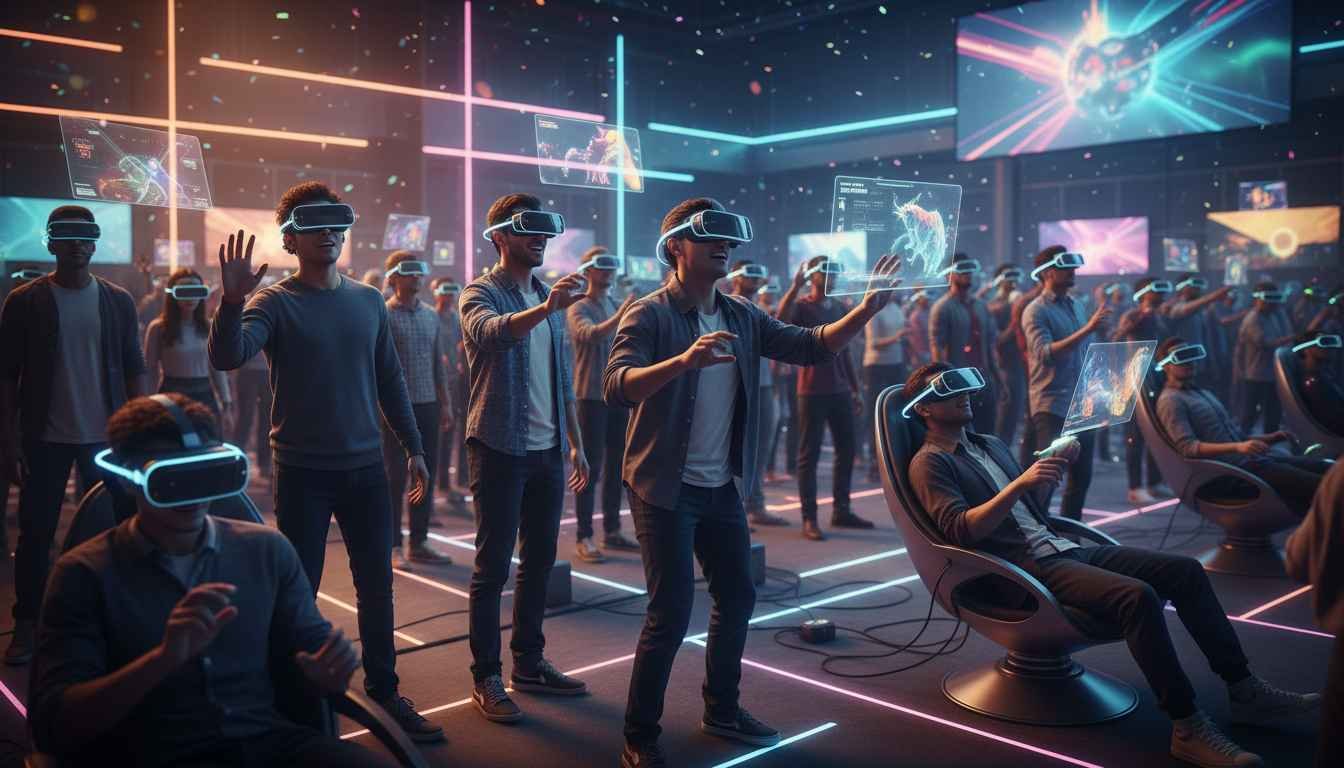




“Virtual reality is the first step in a grand adventure into the landscape of the imagination.” – Frank Biocca
Entertainment has always thrived on immersion, but the introduction of virtual reality at entertainment events has elevated audience engagement to unprecedented levels. From film premieres to live concerts, VR is no longer just a novelty – it is a strategic tool reshaping how audiences consume and interact with content.
Using a Business Model Canvas framework, we can unpack the structural and operational opportunities that VR brings to entertainment events. By analyzing the core components of this business innovation, we gain insight into why VR is becoming indispensable for immersive experiences.
Key Partners
VR technology providers, hardware manufacturers, and software developers are the backbone of VR-enabled events. Event organizers often collaborate with these partners to integrate high-fidelity VR experiences seamlessly into their productions. Partnerships with streaming platforms and content creators further amplify reach, enabling events to engage global audiences virtually, without the constraints of physical venues.
Key Activities
The primary activities revolve around VR content creation, system integration, and audience facilitation. Event planners must design experiences that balance visual spectacle with interactive engagement. This includes pre-event VR previews, live VR streaming, and post-event virtual meet-and-greets. For instance, concerts can now feature virtual backstage tours, while movie releases can offer 360-degree scenes that make viewers feel part of the narrative.
Key Resources
Hardware, software, and skilled personnel are critical resources. High-quality VR headsets, spatial audio systems, and motion capture cameras ensure the experience feels authentic. Equally important are creative teams capable of translating traditional entertainment content into immersive formats. Without these, VR risks feeling gimmicky rather than transformative.
Value Propositions
The central value proposition is unparalleled immersion. Audiences are no longer passive observers; they become participants in a multi-sensory environment. For venues like Celebrity Theatres, VR can differentiate events by providing experiences that cannot be replicated at home. Additional value comes from accessibility – VR allows fans who cannot attend in person to engage fully with live performances and film releases, expanding the potential audience exponentially.
Customer Relationships
Virtual reality at entertainment events fosters deeper engagement and loyalty. Personalization is a significant factor, as VR experiences can be tailored to user preferences, offering different narrative paths or interactive elements. Direct communication through VR interfaces – such as avatars and live chat – strengthens the connection between creators and audiences.
Channels
Distribution channels include VR-enabled apps, online streaming platforms, and on-site VR installations. Hybrid events, combining physical attendance with virtual access, are becoming increasingly popular. These channels allow organizers to maximize attendance, monetize additional virtual tickets, and collect valuable data on audience behavior.
As technology continues to evolve, the integration of mixed reality into various sectors has gained significant traction, particularly in the realm of entertainment. With audiences seeking more immersive experiences, event organizers are turning to innovative solutions that blend the physical and digital worlds. This article will explore the transformative impact of mixed reality at entertainment events, showcasing how it enhances audience engagement and creates memorable moments. Through a detailed case study, we will analyze successful implementations and the future potential of this exciting technology in live performances, festivals, and other entertainment venues.
Customer Segments
Early adopters of technology, film enthusiasts, gamers, and music fans represent primary segments. These audiences are motivated by novelty, convenience, and interactive storytelling. Corporate clients and sponsors also become secondary segments, seeking VR experiences to enhance brand engagement at entertainment events.
Cost Structure
Implementing VR is capital intensive. High costs arise from hardware procurement, software development, and skilled labor. Ongoing expenses include maintenance, content updates, and technical support during events. Budget planning must account for these factors to ensure ROI aligns with expected audience engagement metrics.
Revenue Streams
Monetization includes ticket sales, premium VR experiences, sponsorship deals, and merchandise linked to virtual content. Virtual tickets can command premium pricing due to the immersive experience, while partnerships with tech companies can offset operational costs. Long-term revenue potential grows as VR content can be repurposed for on-demand viewing, creating recurring income streams.
Potential Drawbacks
VR is not without limitations. High equipment costs can restrict access for smaller venues. Technical failures or glitches during live events risk damaging the audience experience. Motion sickness and user discomfort also remain concerns, limiting session length for some attendees. Additionally, the technology requires ongoing updates to remain compatible with new VR hardware and software platforms.
Despite these challenges, virtual reality at entertainment events continues to evolve rapidly. Its capacity to create unique, participatory experiences is unmatched, making it a critical consideration for any venue or event organizer aiming to capture modern audiences. As the technology becomes more affordable and accessible, the gap between physical and virtual attendance will likely narrow, redefining the entertainment landscape entirely.
Related Reading
Immersive Technologies in Film Production
Virtual Concerts and Fan Engagement Strategies
Future of Hybrid Events in Entertainment
VR Hardware Innovations for Live Experiences
Audience Analytics in Virtual Environments

