

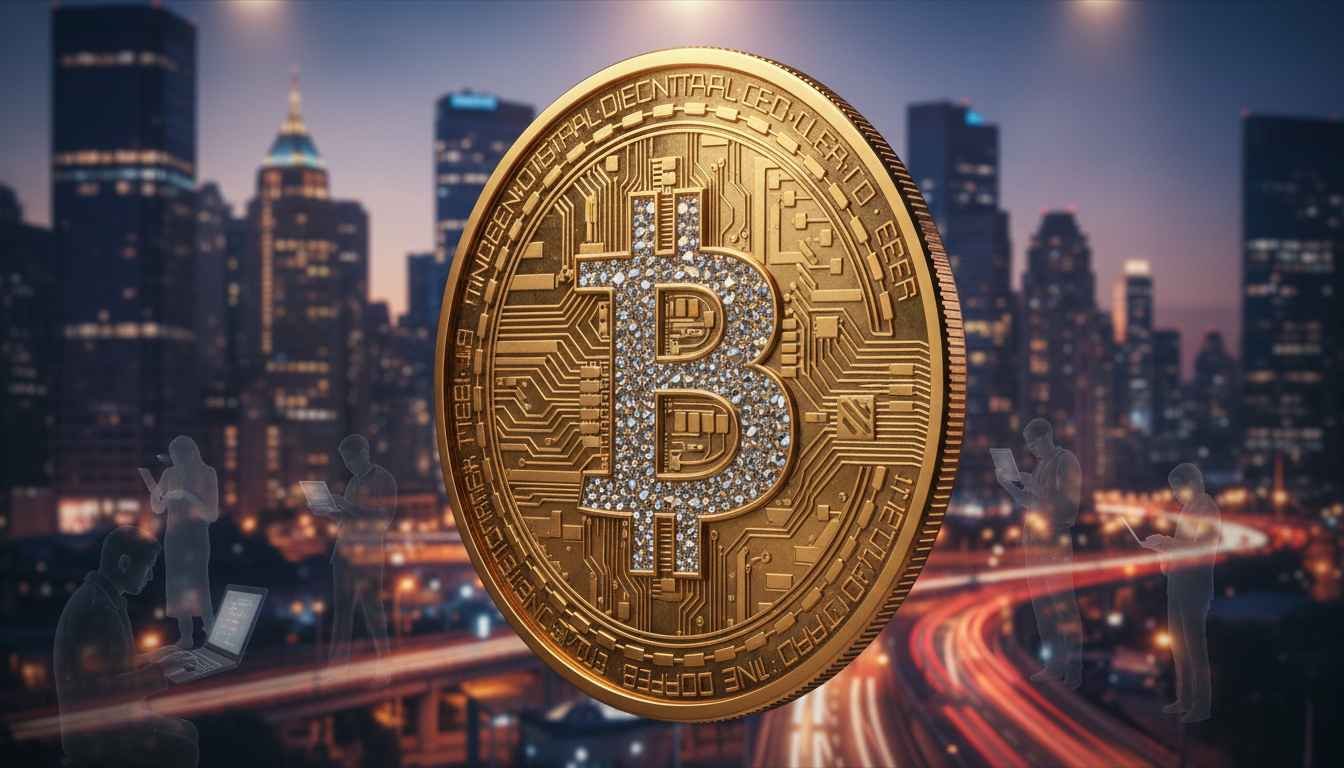




You are being lied to. Every headline, every influencer post, every viral tweet about bitcoin is dripping with hype, half-truths, and conveniently ignored risks. People want to believe it’s a get-rich-quick scheme, a magical digital gold, or a safe hedge against inflation. Reality? It’s none of those things. Bitcoin is a highly complex, decentralized digital asset, and understanding it requires cutting through layers of misinformation.
Bitcoin isn’t physical. You can’t hold it, touch it, or pour it into a glass. It exists purely as entries in a decentralized ledger called the blockchain. Think of it like a wine inventory, but instead of bottles and barrels, it’s blocks of cryptographic data. Each “block” contains verified transactions, chained together to create an immutable history. The genius – and the danger – lies in the fact that no central authority controls it. No bank, no government, no sommelier of finances. This freedom is seductive but volatile.
The typical story people tell you: Bitcoin is limited to 21 million coins, making it inherently scarce, like rare vintages of Bordeaux. Scarcity implies value, right? Yes, but the comparison stops there. Scarcity alone does not make something inherently valuable. A rare bottle of wine has centuries of human tradition, demand, and cultural reverence. Bitcoin has only speculative demand and the hope that someone else will pay more tomorrow.
Behind the scenes, understanding bitcoin requires technical literacy. Each coin is created through a process called mining, which is essentially solving complex mathematical puzzles to validate transactions. Think of it as fermenting wine: a precise, resource-intensive process that produces a final product – though in bitcoin’s case, the cost is electricity and computational power rather than grapes and barrels. Miners compete, energy consumption skyrockets, and the network security depends entirely on this expensive, decentralized labor.
By now, you’re probably asking, “How do I actually get bitcoin?” You purchase it through exchanges or earn it through mining. But here’s the brutal truth: owning bitcoin is not the same as owning a tangible asset. It’s more akin to holding a digital receipt that proves you have access to a piece of code. Lose your private key, and that receipt is gone forever. Unlike a wine cellar, there is no insurance, no cellar master, and certainly no easy way to recover your lost treasure.
It’s also crucial to understand the hype cycle. Every few months, mainstream media inflates bitcoin as the next financial revolution, then crashes follow. 2017, 2021, and yes, 2025 have seen this cycle repeat with ruthless precision. People buy at peaks, panic sell at troughs, and the narrative conveniently shifts to “long-term store of value” only after the smoke clears. This pattern isn’t speculation; it’s a recurring behavioral phenomenon driven by fear, greed, and lack of financial literacy.
For those who are serious about using bitcoin responsibly, accurate tools are essential. Tracking your holdings, calculating gains and losses, and preparing taxes isn’t optional – it’s critical. Software like CoinTracker allows users to track crypto, NFT, and DeFi holdings across multiple wallets and exchanges, giving an accurate picture of your exposure. Without this, even experienced investors can fall prey to the confusing labyrinth of blockchain accounting.
In recent months, Bitcoin has experienced a notable surge in value, prompting both excitement and skepticism among investors and analysts alike. As the cryptocurrency market continues to fluctuate, many are left wondering about the underlying reasons for this trend. While some attribute the rise to increased institutional interest and adoption, others suggest that market hype plays a significant role in driving prices up. This dichotomy raises important questions about the sustainability of such growth and the factors that truly influence market sentiment. To explore these dynamics further, we delve into the nuances of the current situation and examine the question of why is bitcoin going up in the context of broader economic trends and investor psychology.
Potential Drawbacks of Bitcoin You Aren’t Hearing About
First, volatility. Bitcoin’s price swings are not for the faint-hearted. Institutional investors may tolerate it, but retail investors often suffer catastrophic losses during market corrections. Unlike a diversified portfolio of bonds or even fine wine investments, bitcoin lacks stabilizing mechanisms.
Second, security risks. While the blockchain itself is highly secure, exchanges, wallets, and third-party services are vulnerable. Hacks, phishing, and human error can result in permanent loss. Unlike traditional banking or wine investment, there is no FDIC insurance or cellar insurance to mitigate these risks.
Third, regulatory uncertainty. Governments around the world are still grappling with how to treat digital currencies. New rules could suddenly restrict trading, impose heavy taxes, or make it difficult to convert bitcoin to fiat currency. The ecosystem is evolving faster than most can keep up with.
Finally, psychological traps. FOMO (Fear of Missing Out) drives irrational buying, while panic selling leads to realized losses. Bitcoin’s narrative is emotional rather than rational. Understanding it requires discipline, patience, and a willingness to be uncomfortable with ambiguity.
Who Should Avoid Bitcoin
If you need stable returns, are risk-averse, or rely on your savings for essential living expenses, bitcoin is probably not for you. It is designed for those willing to accept extreme volatility, technical complexity, and the possibility of permanent loss. It’s a tool for the informed, not a shortcut to instant wealth.
Why People Keep Falling for the Hype
Bitcoin is marketed as revolutionary because it can bypass traditional financial systems, offer pseudonymous transactions, and claim to democratize finance. But here’s the truth: most users engage with it as a speculative asset, not a financial revolution. This disconnect between narrative and reality is where most misconceptions arise.
Even seasoned investors make mistakes. They overestimate the security, underestimate volatility, or rely on anecdotal success stories. In practice, bitcoin’s “decentralized” nature introduces both empowerment and risk. Understanding this duality is essential before considering any investment.
Final Thoughts
Bitcoin is neither inherently good nor bad – it is a tool. Its value depends on scarcity, demand, and public perception, much like rare wine. The difference is that wine has centuries of cultural context, while bitcoin is barely two decades old. Knowledge, discipline, and reliable tracking tools are the only ways to navigate this complex landscape without being burned. Approach it with curiosity, not blind optimism, and always respect the volatility that drives both its allure and its danger.

