


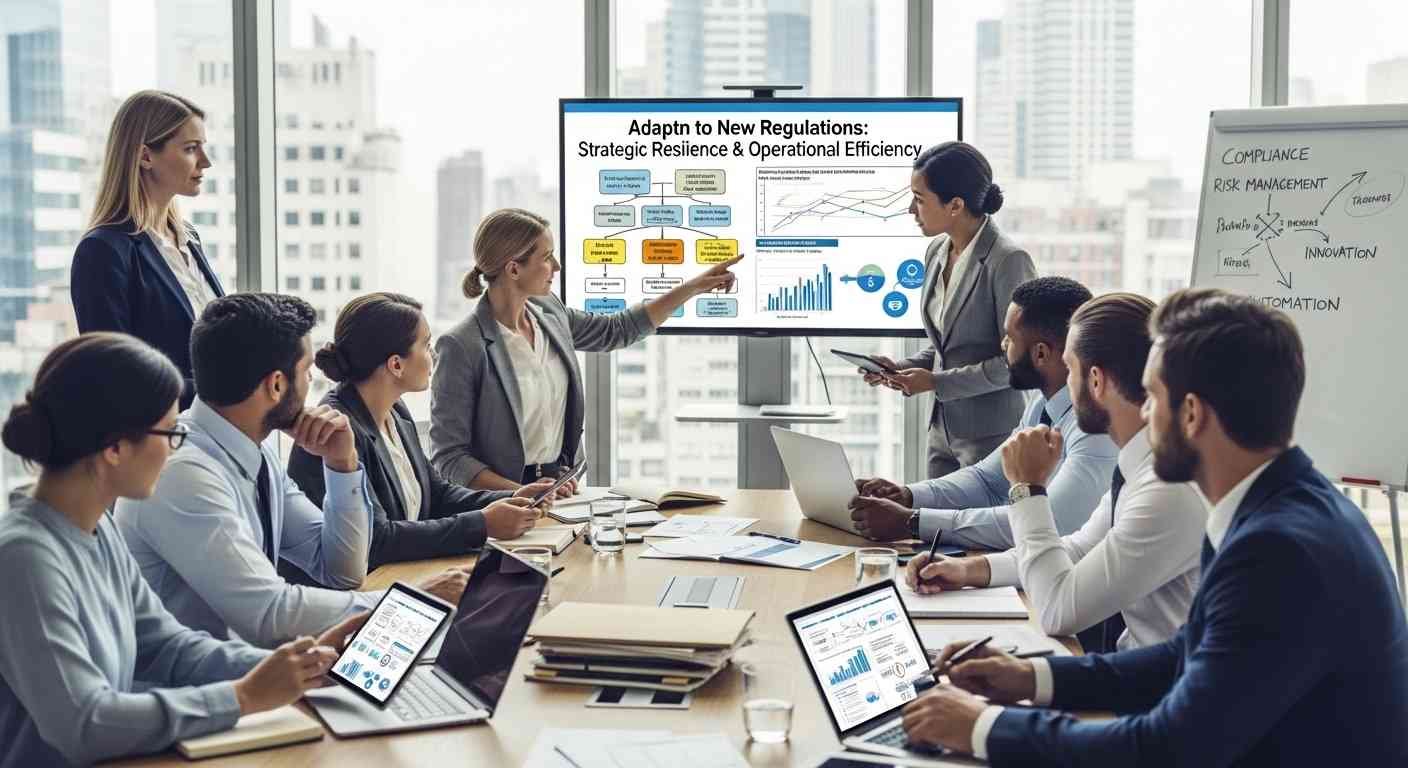

In 2025, the landscape of education has undergone a profound transformation. The traditional classroom model, with its rigid schedules and one-size-fits-all approach, is rapidly being replaced by dynamic, personalized learning experiences facilitated by online platforms. These platforms harness the power of artificial intelligence, data analytics, and adaptive learning technologies to cater to the unique needs, preferences, and goals of each learner. Whether you’re a student embarking on your educational journey or a professional seeking to upskill, the opportunities are boundless. The question isn’t whether you should embrace this shift, but rather, can you afford to miss out?
The Rise of Personalized Learning: A Paradigm Shift
Gone are the days when education was a uniform experience for all. The advent of online learning platforms has ushered in an era where learning is tailored to the individual. Through the integration of AI and machine learning algorithms, these platforms analyze a learner’s progress, identify strengths and weaknesses, and adapt content accordingly. This personalized approach ensures that learners engage with material that is both challenging and achievable, fostering a deeper understanding and retention of knowledge.
For instance, platforms like Coursera and edX offer courses that adjust in real-time to a learner’s performance. If a student struggles with a particular concept, the system provides additional resources and practice exercises to reinforce understanding. Conversely, if a learner excels, the platform accelerates the pace, introducing more advanced topics to maintain engagement and challenge. This dynamic adaptability is a hallmark of personalized learning, ensuring that each learner’s journey is unique and optimized for success.
AI-Powered Platforms: The Brain Behind Personalized Learning
Artificial intelligence serves as the backbone of many online learning platforms, enabling them to deliver personalized experiences at scale. By analyzing vast amounts of data, AI can predict a learner’s needs and adjust content delivery accordingly. This predictive capability allows for the creation of individualized learning paths that cater to a student’s specific goals and learning style.
Take, for example, platforms like Alice.Tech, which utilize AI to convert generic course materials into customized content such as explainers, flashcards, and quizzes. These resources are tailored to each student’s learning style and exam preparation needs, ensuring efficient and effective learning. Similarly, Pearson’s collaboration with Google integrates advanced AI-powered learning tools into classrooms, delivering personalized learning experiences that cater to each student’s pace and needs. This partnership exemplifies the potential of AI to revolutionize education by moving from uniform teaching methods to individualized learning paths.
Real-World Applications: Personalized Learning in Action
The impact of personalized learning is not just theoretical; it is evident in real-world applications. Consider the case of Preply, a language-learning platform that connects users with over 100,000 experienced tutors. Through personalized 1-on-1 lessons, flexible scheduling, and affordability, Preply has transformed language learning. A 2025 efficiency study revealed that native Spanish speakers improved their English proficiency up to three times faster than average timelines after 12 weeks using Preply. This success underscores the effectiveness of personalized learning in achieving tangible results.
Similarly, Struggly, a gamified digital education tool designed to support math learning, emphasizes the value of persistence, creativity, and strategic problem-solving through interactive math puzzles. Teachers can easily set up classrooms, add students without needing email addresses, and monitor progress using various dashboards. These tools track student development in areas such as persistence, creativity, strategy, and mathematical concepts. Struggly’s approach demonstrates how personalized learning can be both engaging and effective, fostering a love for learning while achieving academic success.
Freshmen: Physical Education – A Personalized Approach to Fitness
Physical education is often perceived as a standardized curriculum, but personalized learning is making its mark in this area as well. Platforms like PLT4M are building research-based fitness programs that align with state fitness standards from middle school through college. These programs focus on personal fitness and weight training, allowing students to work at their own pace and according to their individual fitness levels. This personalized system of instruction model has been proven to be an effective method of teaching and learning within courses focusing on health-related fitness and weight training.
Moreover, Carone Learning offers accredited online health and physical education courses that provide a personalized approach to helping students reach their goals. With over 75 student-centric courses, Carone Learning guides students on a pathway to healthy living and career options, demonstrating the potential of personalized learning in promoting physical education. These platforms exemplify how personalized learning can enhance physical education by catering to individual fitness levels and goals, making fitness education more accessible and effective for all students.
Benefits Beyond the Classroom: Professional Development and Lifelong Learning
Personalized learning extends beyond K-12 education into the realm of professional development. Platforms like LinkedIn Learning and Skillshare empower individuals to create and sell courses on a wide range of topics, from technical skills and professional development to creative arts and personal enrichment. These marketplaces offer a vast selection of courses at various price points, giving learners the freedom to choose courses that match their interests, budgets, and learning styles.
Additionally, companies are leveraging personalized learning platforms to enhance employee skills and performance. SC Training (formerly EdApp), for example, is a mobile learning management system that supports personalized learning through its many user-focused features. With its easy-to-use course creator tool, organizations can quickly create online training and immersive lessons tailored to every learner’s needs. This approach not only improves employee performance but also fosters a culture of continuous learning and development within organizations.
Accessibility and Flexibility: Learning on Your Terms
One of the most significant advantages of online learning platforms is the flexibility they offer. Learners can access materials anytime and anywhere, allowing them to learn at their own pace and on their own schedule. This flexibility is particularly beneficial for adult learners and professionals who may have other commitments but wish to continue their education.
Platforms like Coursera and edX offer a wide range of courses from top universities and institutions, enabling learners to gain knowledge and credentials without the constraints of traditional classroom settings. Whether you’re looking to advance in your current career or explore a new field, these platforms provide the resources and flexibility to achieve your educational goals on your terms.
Security and Support: Trustworthy Platforms for Peace of Mind
When engaging in online learning, security and support are paramount. Reputable platforms prioritize the safety and privacy of their users, employing robust security measures to protect personal information and data. Additionally, these platforms offer responsive customer service to assist learners with any issues or concerns that may arise.
For instance, platforms like Preply and Coursera have established strong reputations for their commitment to user security and support. They provide secure payment options, data protection protocols, and dedicated customer service teams to ensure a positive learning experience. This commitment to security and support fosters trust and confidence among learners, encouraging them to fully engage with the learning process.
Embracing the Future: Why You Can’t Afford to Miss Out
The shift towards personalized learning is not just a trend; it is the future of education. As technology continues to evolve, the opportunities for personalized learning will only expand, offering even more tailored and effective learning experiences. By embracing these platforms, learners can take control of their educational journeys, achieving their goals more efficiently and effectively.
Whether you’re a student seeking to enhance your academic performance, a professional aiming to acquire new skills, or an individual looking to explore new interests, personalized learning platforms offer the tools and resources to help you succeed. The question remains: can you afford to miss out on this transformative opportunity?

