




Why Motivation is the Key to Student Success
Motivation is often the driving force behind academic achievement, but it’s no secret that traditional methods of encouragement are often ineffective in engaging students. As education continues to evolve, traditional approaches simply aren’t enough to keep today’s students focused, inspired, and committed to their learning journeys. As a result, educators are turning to more dynamic, interactive methods to captivate their students and encourage active participation. One of the most powerful tools in this new-age approach is gamification – particularly leaderboards, points, and badges. These elements, when strategically implemented, can have a profound impact on student motivation, bridging educators with their students in a way that traditional grading systems and assignments can’t. In fact, these tools may be the difference between a student who disengages from their learning and one who passionately pursues academic excellence. Without gamification, you risk missing out on an opportunity to keep students engaged in the learning process.
How Leaderboards Drive Healthy Competition
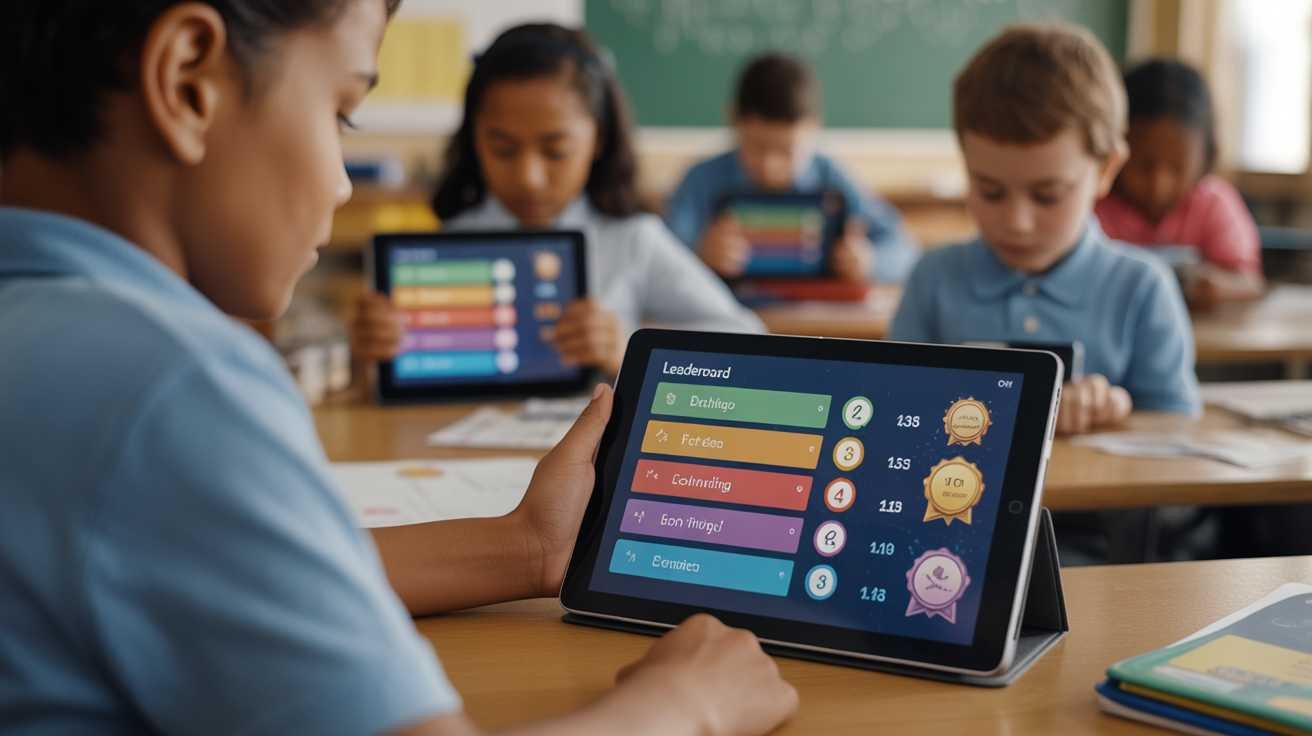
Leaderboards are an exciting feature of many modern educational environments, and they come with a rush of adrenaline that students simply can’t resist. Imagine walking into a classroom and immediately seeing your name appear on the leaderboard. It’s an immediate call to action: a challenge to rise, to do better, to outperform others. The thrill of seeing your name climb higher and higher compels you to push further. This isn’t just a theoretical concept. Numerous studies confirm that friendly competition fuels motivation, pushing students to achieve their best. Whether you’re in a math challenge, a reading competition, or a science quiz, the leaderboard taps into an innate desire to win. However, it’s not all about competition; the real beauty lies in how leaderboards bridge educators to students, fostering a sense of achievement while simultaneously encouraging a cooperative spirit. Leaderboards act as real-time indicators of progress, which can give students immediate feedback on their performance. In a world where recognition is everything, the leaderboard offers the perfect platform for students to feel seen and valued for their hard work.
The Power of Points: Reinforcing Positive Behavior
Points – though seemingly simple – hold immense power in the world of motivation. Students are used to earning grades, but the quick rewards of points change the entire dynamic. Points can be awarded for participation, effort, completing assignments on time, or even for small victories in a group activity. Every time a student earns a point, there’s an immediate sense of accomplishment, a tangible reward for their efforts. The more points accumulated, the more it feels like a victory in the making. Points drive a cycle of achievement: the more a student engages with the material, the more points they rack up, creating a self-reinforcing system of growth and success. The real magic of points lies in their ability to bridge educators and students in real-time. With instant feedback loops, educators can easily see which students are thriving and which need additional support. For students, this means they’re not left wondering how they’re doing – they see it for themselves, every step of the way. Points offer a continuous cycle of motivation, where every win builds on the last.
Badges: Celebrating Milestones in a Memorable Way
Badges provide a visual symbol of achievement that students can proudly display. These digital or physical tokens of success serve as both rewards and reminders of what has been accomplished. Imagine a student who has just earned their first badge in a subject they struggled with. The excitement is palpable. It’s not just about the badge itself – it’s about what the badge represents. It represents persistence, growth, and progress. Badges are particularly powerful because they act as bridges educators can use to connect achievement with student pride. In a classroom filled with different learners, badges offer personalized, meaningful ways to acknowledge success. Some students may care more about mastering a skill, while others may be motivated by completing specific tasks. Regardless, badges offer a unique way to honor all kinds of achievements. Beyond their symbolic power, badges can also spark a sense of FOMO (Fear of Missing Out) in students who see their peers collecting them. This visual cue pushes others to work harder to collect their own badges, creating a snowball effect of motivation across the classroom.
How Gamification Bridges the Gap Between Teachers and Students
It’s not just the students who benefit from gamification – teachers and educators gain a significant advantage too. By integrating leaderboards, points, and badges into the classroom, educators are able to create more engaging lessons that immediately capture students’ attention. These gamified systems provide valuable data to educators, giving them insights into which students are excelling and which ones need additional attention. This immediate feedback allows for more targeted interventions, enabling teachers to personalize their approach. As a result, the educator-student relationship is strengthened. Teachers are no longer distant figures who merely assign work; they become coaches who celebrate small victories and offer encouragement when necessary. By bridging educators with their students in this way, gamification turns learning into a dynamic, interactive experience that works in real-time to promote growth. The use of game mechanics in the classroom creates a feedback-rich environment, where both students and teachers can quickly assess progress and adjust strategies to maximize success.
Engaging the Digital Native Generation: Why It Works So Well
Today’s students are digital natives, immersed in technology from a young age. From gaming consoles to smartphones, they’ve been exposed to instant gratification, rewards systems, and engaging digital experiences their entire lives. For this generation, traditional classroom methods often feel slow and disconnected. This is where gamification steps in. Points, leaderboards, and badges are not only familiar to students, they align with the way their brains are wired. These game mechanics mirror the rewarding systems they’ve encountered in their digital lives, creating a seamless bridge between the classroom and the digital world. By tapping into the things that motivate this generation – competition, achievement, and instant feedback – educators can keep students engaged in a way that traditional methods can’t. This modern approach doesn’t just captivate students; it also generates excitement about learning that carries over outside of the classroom. When students see that their efforts lead to tangible rewards, they feel a greater sense of ownership over their education.
The Urgency of Embracing Gamification Now
If you’re an educator still hesitant about incorporating gamification into your classroom, now is the time to act. The landscape of education is changing fast, and the gap between those who adapt and those who don’t is widening. Gamification isn’t just a trend – it’s a movement that’s here to stay, transforming the way students engage with learning. The longer you wait to implement these tools, the more you risk falling behind. Don’t let your students miss out on the benefits of a gamified learning environment. The future of education relies on innovation, and gamification is one of the most impactful ways to encourage participation, collaboration, and success in the classroom. Whether you’re a teacher, a school administrator, or a parent, embracing gamification now will ensure that your students are prepared to thrive in a world that increasingly values engagement and achievement. Make sure you’re not the last to implement this strategy – your students need it now more than ever.
The Science Behind Gamification in Education
Research shows that gamification increases engagement and motivation among students. A study published in the Educational Researcher journal found that students who participated in gamified learning environments demonstrated a 60% increase in motivation compared to those who engaged in traditional learning methods. These results aren’t just coincidental; they reflect the deep psychological triggers that gamification taps into, like the need for achievement, recognition, and social interaction. When students are rewarded for their progress with points, badges, and leaderboard rankings, they’re engaging in a system that’s designed to keep them going. It’s a simple yet powerful way to align educational goals with the natural tendencies of the human brain. Gamification offers a structured, yet flexible approach to motivation, giving students the chance to personalize their learning while still staying focused on the ultimate goal – success. By embracing these techniques, educators are not only improving student engagement, they’re setting up their students for lifelong learning and achievement.
As educators increasingly seek innovative approaches to engage students, game-based learning has emerged as a powerful tool across various educational settings. This method not only enhances motivation and retention but also aligns with modern Consumerism Education trends that emphasize interactive and experiential learning.

